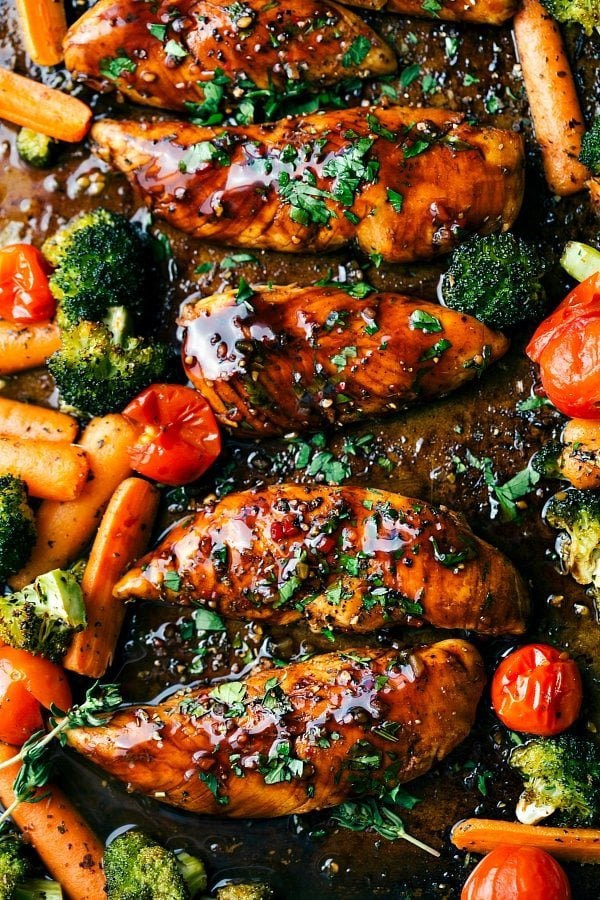
Elevate Your Weeknight: Mastering the Balsamic Chicken and Vegetables Recipe
The humble yet extraordinary
balsamic chicken and vegetables recipe has become a staple in kitchens worldwide, celebrated for its simplicity, robust flavors, and incredible versatility. Whether you're a seasoned home cook or just starting your culinary journey, this dish offers a perfect blend of healthy ingredients and satisfying taste that can transform an ordinary weeknight into a culinary delight. If you've already explored the foundational steps and core ingredients in
balsamic chicken and vegetables recipe - Article 1, you're ready to delve deeper. This article aims to move beyond the basics, equipping you with creative twists, troubleshooting tips, and advanced strategies to truly master this beloved meal, ensuring every bite is as delicious as it is nutritious.
What makes the balsamic chicken and vegetables recipe so appealing? It’s primarily its ability to deliver a full, balanced meal from often just a single pan. The rich, tangy sweetness of balsamic vinegar perfectly complements tender chicken and a medley of roasted vegetables, creating a symphony of flavors with minimal fuss. It’s a dish that caters to health-conscious eaters, busy families, and anyone looking for a flavorful escape from repetitive dinner routines. By understanding how to customize and perfect this recipe, you unlock endless possibilities for delicious, healthy, and easy-to-prepare meals.
The Irresistible Appeal of One-Pan Wonders
In today's fast-paced world, the appeal of a one-pan or one-sheet-pan meal cannot be overstated. The balsamic chicken and vegetables recipe shines brightly in this category, offering a complete meal with minimal cleanup. This efficiency doesn't come at the cost of flavor or nutrition. Instead, roasting the chicken and vegetables together allows their flavors to meld beautifully, often creating a more complex and satisfying taste profile than if cooked separately. The convenience makes it an ideal choice for busy weeknights, offering a wholesome alternative to takeout without demanding hours in the kitchen.
Beyond the Basics: Creative Twists for Your Balsamic Chicken and Vegetables Recipe
While the classic balsamic chicken and vegetables recipe is delightful on its own, its inherent flexibility makes it ripe for creative experimentation. Once you're comfortable with the core technique, as perhaps covered in
balsamic chicken and vegetables recipe - Article 2 focusing on ingredient selection, you can start exploring different flavor profiles and ingredient combinations to keep things exciting.
Venturing with Vegetable Varieties
The beauty of this recipe lies in its adaptability to various vegetables. Don't feel limited to just bell peppers and onions!
*
Root Vegetables: Add chopped carrots, parsnips, or sweet potatoes for a heartier, earthier flavor. Their robust nature means they can be added at the beginning alongside the chicken.
*
Cruciferous Crunch: Broccoli florets, cauliflower, or Brussels sprouts roast beautifully, developing sweet, caramelized edges.
*
Green Goodness: Asparagus spears, green beans, or snap peas are fantastic additions, though they should be added towards the end of the cooking time to prevent overcooking.
*
Seasonal Swaps: Embrace seasonal produce. Zucchini and cherry tomatoes are fantastic in summer, while butternut squash or parsnips can take center stage in autumn.
*
Aromatic Boost: Don't forget garlic cloves (whole or sliced) and fresh rosemary or thyme sprigs, which infuse the entire dish with incredible fragrance as it roasts.
Protein Power-Ups and Alternatives
While chicken breast is a popular choice for its lean profile, other proteins can elevate your balsamic dish:
*
Chicken Thighs: For a juicier, more forgiving cut, opt for boneless, skinless chicken thighs. They tend to stay moister and develop a richer flavor when roasted.
*
Pork Tenderloin: Sliced pork tenderloin can be an excellent substitute, offering a slightly different texture and flavor that pairs wonderfully with balsamic.
*
Fish Fillets: For a quicker-cooking option, hearty fish like salmon or cod can be marinated briefly and roasted alongside vegetables, though their cooking time will be significantly shorter than chicken.
*
Plant-Based Options: Firm tofu or tempeh, pressed and cubed, can absorb the balsamic marinade beautifully, offering a fantastic vegetarian or vegan alternative. Ensure they are well-pressed to achieve a good texture.
Marinade Magic and Flavor Enhancements
The marinade is the heart of any balsamic chicken and vegetables recipe. Here are ways to enhance it:
*
Quality Balsamic: Invest in a good quality balsamic vinegar. Aged balsamic will offer a more complex sweetness and viscosity.
*
Sweeteners: A touch of honey, maple syrup, or brown sugar can balance the acidity of the vinegar and promote beautiful caramelization.
*
Herbs: Fresh herbs like rosemary, thyme, oregano, or even a hint of dried Italian seasoning can transform the flavor profile.
*
Citrus Zest: A squeeze of lemon or orange juice, along with its zest, can brighten the entire dish and add a zesty counterpoint to the rich balsamic.
*
Spice It Up: A pinch of red pepper flakes can add a subtle kick without overpowering the other flavors. Smoked paprika or a touch of cumin can also introduce new dimensions.
*
Dijon Mustard: A teaspoon of Dijon mustard in the marinade can act as an emulsifier and add a sharp, pungent note that complements the balsamic.
Tips for a Perfect Plate: Avoiding Common Pitfalls and Ensuring Flavor Success
Even with a seemingly straightforward balsamic chicken and vegetables recipe, there are subtle techniques that can elevate your dish from good to truly exceptional. Paying attention to these details can make all the difference.
Mastering the Marinade
*
Time is Your Friend: For the most flavorful chicken, allow it to marinate for at least 30 minutes, but ideally 2-4 hours, or even overnight in the refrigerator. The longer it marinates, the more flavor it absorbs.
*
Don't Waste the Marinade: After marinating, if you wish to use the leftover marinade as a sauce, boil it vigorously for several minutes to kill any bacteria from the raw chicken. You can then reduce it to a glaze.
*
Balance is Key: A good balsamic marinade balances acidity with sweetness and savory notes. Taste and adjust before adding the chicken.
Roasting Wisdom
*
Don't Overcrowd the Pan: This is perhaps the most crucial tip for perfectly roasted chicken and vegetables. If the pan is too full, ingredients will steam instead of roast, leading to soggy results instead of beautifully caramelized ones. Use two sheet pans if necessary.
*
Uniform Cuts: Ensure your vegetables are cut into roughly uniform sizes. This promotes even cooking, so you don't end up with some pieces raw and others mushy. Denser vegetables like carrots and potatoes may need smaller cuts or a head start in the oven.
*
High Heat is Best: Roasting at a higher temperature (usually 400-425°F or 200-220°C) is key to achieving that desirable browning and caramelization on both the chicken and vegetables.
*
Flip for Evenness: Gently flip the chicken and stir the vegetables halfway through cooking to ensure even browning and prevent sticking.
Ensuring Optimal Doneness
*
Chicken Temperature: Always use a meat thermometer to ensure your chicken is cooked through. Chicken breast is done at 165°F (74°C). Overcooked chicken will be dry and tough, so pull it out as soon as it reaches the target temperature.
*
Vegetable Tenderness: Vegetables should be tender-crisp, not mushy. Adjust roasting times based on the type and size of vegetables used.
*
Rest the Chicken: After removing from the oven, allow the chicken to rest for 5-10 minutes before slicing. This allows the juices to redistribute, resulting in more tender and flavorful meat.
The Glaze Factor
A truly exceptional balsamic chicken and vegetables recipe often finishes with a glossy, reduced balsamic glaze. You can achieve this in a few ways:
*
Reduce the Marinade (Safely): As mentioned, boil the reserved marinade until it thickens slightly.
*
Dedicated Glaze: Simmer balsamic vinegar with a touch of honey or brown sugar until it reduces by half and becomes syrupy. Drizzle this over the finished dish. This adds a concentrated burst of sweet-tart flavor.
Meal Prep and Leftovers: Making Your Balsamic Chicken and Vegetables Recipe Work Harder
One of the greatest advantages of the balsamic chicken and vegetables recipe is its excellent suitability for meal prepping and its deliciousness as leftovers. Planning ahead can save you significant time and effort during busy weeks.
Smart Meal Prepping Strategies
*
Component Prep:
*
Marinade Ahead: Prepare your balsamic marinade up to a few days in advance and store it in an airtight container in the fridge.
*
Chop Veggies: Wash and chop all your vegetables on a Sunday, storing them in separate containers. This makes assembly on cooking day a breeze.
*
Marinate Chicken: Marinate the chicken the night before you plan to cook, or even first thing in the morning, so it's ready to go when dinner time rolls around.
*
Full Batch Cook: Cook a larger batch than needed for one meal. This allows you to portion out servings for lunch or dinner throughout the week.
*
Storage Containers: Invest in good quality, airtight meal prep containers. Glass containers are ideal as they are microwave-safe and don't absorb odors.
Creative Ways to Enjoy Leftovers
Don't just reheat the same meal! Repurpose your leftover balsamic chicken and vegetables into exciting new dishes:
*
Balsamic Chicken Salad: Shred or chop the leftover chicken, mix with a light dressing (perhaps a lemon-herb vinaigrette), and serve over a bed of fresh greens with some of the roasted vegetables.
*
Hearty Wraps or Sandwiches: Slice the chicken thinly and layer it with roasted vegetables, a smear of hummus or pesto, and fresh greens in a whole-wheat wrap or on crusty bread.
*
Pasta or Grain Bowls: Toss the warmed chicken and vegetables with whole-wheat pasta, quinoa, couscous, or farro. Add a drizzle of olive oil, fresh herbs, and perhaps some feta cheese for a complete meal.
*
Frittatas or Omelets: Chop up the chicken and vegetables and incorporate them into a breakfast or brunch frittata or omelet for a protein-packed start to your day.
*
Quick Pizza Topping: Spread a thin layer of tomato sauce or pesto on a pre-made crust, top with mozzarella, chopped balsamic chicken, and roasted vegetables, then bake until golden.
When reheating, avoid overcooking the chicken, which can dry it out. Gentle reheating in the microwave, oven, or a skillet with a splash of broth can help maintain its moisture and flavor.
Conclusion
The
balsamic chicken and vegetables recipe is much more than just a meal; it's a testament to the power of simple, wholesome ingredients combined with smart cooking techniques. From understanding the nuances of the perfect marinade to mastering the art of roasting and embracing creative variations, there are countless ways to make this dish your own. By leveraging these tips for advanced preparation, ensuring optimal cooking, and creatively repurposing leftovers, you can transform this one-pan wonder into a cornerstone of your healthy and delicious eating plan. So go ahead, experiment with new vegetables, tweak the marinade, and make this incredibly versatile and flavorful recipe a celebrated part of your culinary repertoire.